
Introduction to Machine Learning
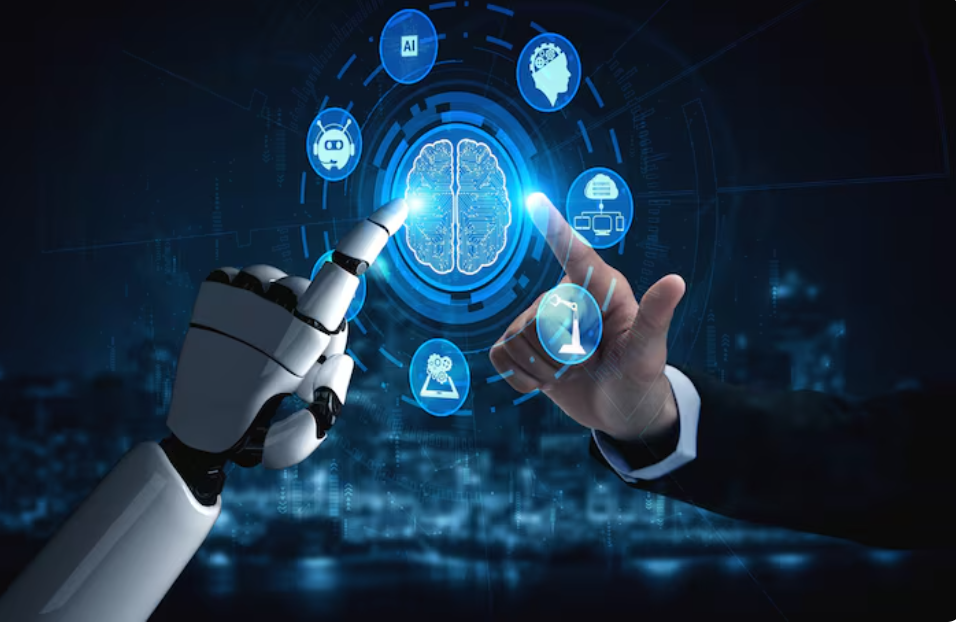
Machine learning is a branch of artificial intelligence that enables computers to learn from data and improve performance without explicit programming. By analyzing patterns and making predictions, machine learning allows businesses and individuals to make data-driven decisions. This technology is driving innovation across industries, enhancing efficiency, and creating opportunities that were previously unimaginable.
The Role of Machine Learning in Data Analysis
Machine learning is revolutionizing data analysis by processing vast amounts of information quickly and accurately. Traditional data analysis methods often struggle with large datasets, but machine learning algorithms can detect patterns, trends, and anomalies efficiently. Businesses use machine learning to gain insights into customer behavior, optimize operations, and predict market trends, allowing for more informed and strategic decision-making.
Machine Learning in Business Applications
Businesses across various sectors are leveraging machine learning to enhance productivity and competitiveness. In retail, machine learning helps personalize product recommendations, optimize pricing, and manage inventory. In finance, it detects fraudulent transactions, assesses credit risk, and automates trading strategies. By integrating machine learning into operations, organizations can reduce costs, improve efficiency, and deliver better customer experiences.
Machine Learning in Healthcare
Healthcare is another sector benefiting greatly from machine learning. Algorithms analyze medical records, imaging data, and patient histories to assist in early diagnosis, treatment planning, and drug discovery. Machine learning also supports predictive analytics, helping hospitals anticipate patient needs and allocate resources efficiently. By improving accuracy and speed in healthcare processes, machine learning is enhancing patient care and outcomes.
Machine Learning in Education
Machine learning is transforming education by enabling personalized learning experiences. Adaptive learning platforms use machine learning algorithms to assess students’ strengths and weaknesses and recommend tailored content. This helps students progress at their own pace and ensures more effective learning outcomes. Machine learning also assists educators in identifying trends, monitoring performance, and improving teaching strategies based on real-time data.
Machine Learning in Transportation and Smart Cities
Transportation and urban planning are being reshaped by machine learning. In autonomous vehicles, machine learning algorithms process sensor data to navigate roads safely and efficiently. Smart city initiatives use machine learning to optimize traffic flow, manage energy consumption, and improve public services. These applications demonstrate how machine learning contributes to safer, smarter, and more sustainable urban environments.
Challenges and Ethical Considerations
While machine learning offers immense benefits, it also raises challenges and ethical considerations. Data privacy, algorithmic bias, and transparency are critical concerns. Organizations must ensure responsible use of machine learning, implement proper safeguards, and maintain fairness in automated decisions. Addressing these challenges is essential to build trust and maximize the positive impact of machine learning.
The Future of Machine Learning
The future of machine learning is full of potential. Advances in deep learning, natural language processing, and reinforcement learning will expand the capabilities of intelligent systems. Industries will increasingly adopt machine learning to automate complex tasks, predict outcomes, and drive innovation. As technology continues to evolve, machine learning will remain a cornerstone for leveraging data effectively and transforming businesses worldwide.
Conclusion
Machine learning is shaping the future of data and innovation by enabling smarter decisions, enhancing efficiency, and driving growth across industries. From healthcare and education to business operations, finance, and smart cities, machine learning provides insights and automation that improve processes and outcomes. By embracing machine learning responsibly, organizations and individuals can unlock the full potential of data, foster innovation, and create a smarter, more connected world.