
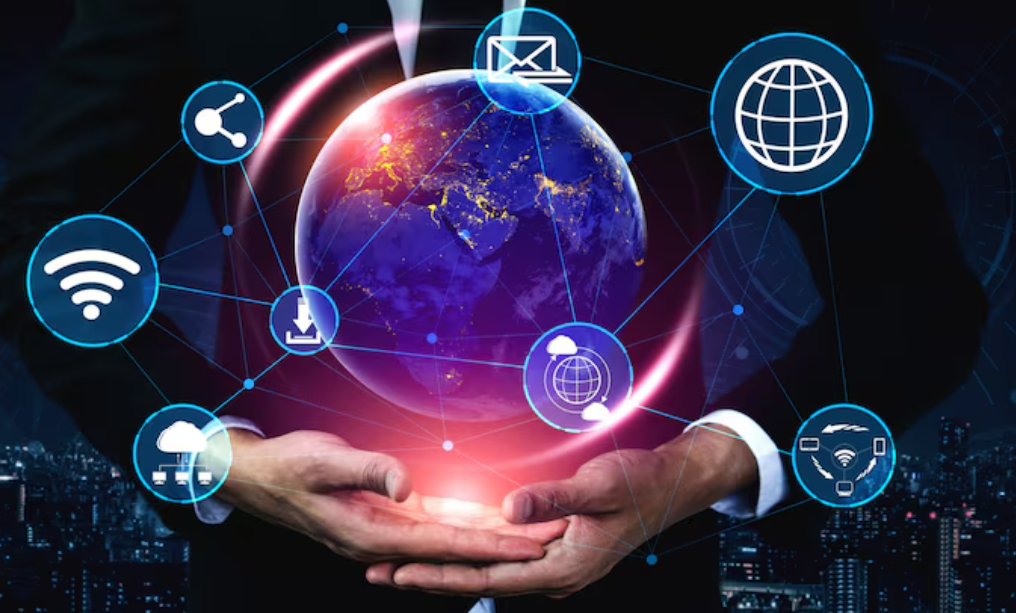
Introduction to Internet of Things (IoT)
The Internet of Things (IoT) refers to the network of physical devices, vehicles, appliances, and other objects embedded with sensors, software, and connectivity that allows them to collect and exchange data. IoT is transforming the way we live and work by enabling smarter devices, real-time data sharing, and automated processes. From homes to businesses, IoT is creating a more connected, efficient, and intelligent world.
IoT in Everyday Life
IoT is making daily life more convenient and efficient. Smart home devices like thermostats, security cameras, and lighting systems can be controlled remotely using smartphones or voice assistants. Wearable devices such as fitness trackers and smartwatches monitor health metrics and provide actionable insights. Even everyday appliances like refrigerators and washing machines are becoming smarter, helping individuals save time, energy, and resources through automation and real-time notifications.
IoT in Business Operations
Businesses are leveraging IoT to improve operational efficiency and decision-making. Connected devices and sensors provide real-time data on equipment performance, inventory levels, and production processes. This allows companies to reduce downtime, optimize supply chains, and predict maintenance needs. By integrating IoT into operations, businesses can increase productivity, reduce costs, and make data-driven decisions faster than ever before.
Enhancing Customer Experiences with IoT
IoT also plays a crucial role in enhancing customer experiences. Retailers use IoT-enabled devices to track customer behavior, manage inventory, and provide personalized recommendations. Smart devices in hotels, restaurants, and transportation services improve convenience and responsiveness for customers. By using IoT data effectively, businesses can better understand customer preferences, anticipate needs, and deliver tailored services that build loyalty and satisfaction.
IoT in Healthcare
Healthcare is another sector where IoT is driving significant transformation. Connected medical devices, remote monitoring tools, and wearable sensors allow healthcare professionals to track patient health in real-time. IoT enables early detection of medical conditions, reduces hospital visits, and supports telemedicine. Hospitals and clinics can also optimize operations, manage equipment efficiently, and improve patient outcomes through IoT-enabled systems.
Industrial IoT and Smart Manufacturing
Industrial IoT (IIoT) is revolutionizing manufacturing and industrial processes. IoT sensors monitor machines, production lines, and supply chains to enhance efficiency and reduce errors. Predictive maintenance powered by IoT prevents costly breakdowns and minimizes downtime. Smart factories use IoT data to optimize production schedules, reduce energy consumption, and ensure consistent quality. This integration of IoT technology in industry creates a more agile, productive, and competitive business environment.
Security and Ethical Considerations in IoT
While IoT offers immense benefits, it also raises security and ethical concerns. Connected devices can be vulnerable to cyberattacks, and large amounts of personal data are collected and stored. Businesses and individuals must prioritize data protection, implement strong security measures, and ensure responsible use of IoT technology. Transparency, privacy, and ethical data management are critical for building trust and maximizing the potential of IoT.
The Future of Internet of Things (IoT)
The future of IoT is full of potential as technology continues to evolve. Innovations like 5G connectivity, edge computing, and AI integration will enable faster, smarter, and more reliable IoT networks. IoT will play a central role in smart cities, autonomous transportation, environmental monitoring, and personalized healthcare. As adoption grows, IoT will continue to transform how we live, work, and interact with the world, creating a truly connected and intelligent environment.
Conclusion
The Internet of Things (IoT) is revolutionizing everyday life and business by connecting devices, automating processes, and providing real-time insights. From smart homes and wearable devices to industrial applications and healthcare solutions, IoT enhances convenience, efficiency, and decision-making. While challenges like security and privacy remain, the benefits of IoT are undeniable. By embracing IoT responsibly, individuals and businesses can unlock new opportunities, improve quality of life, and shape a more connected and innovative future.